
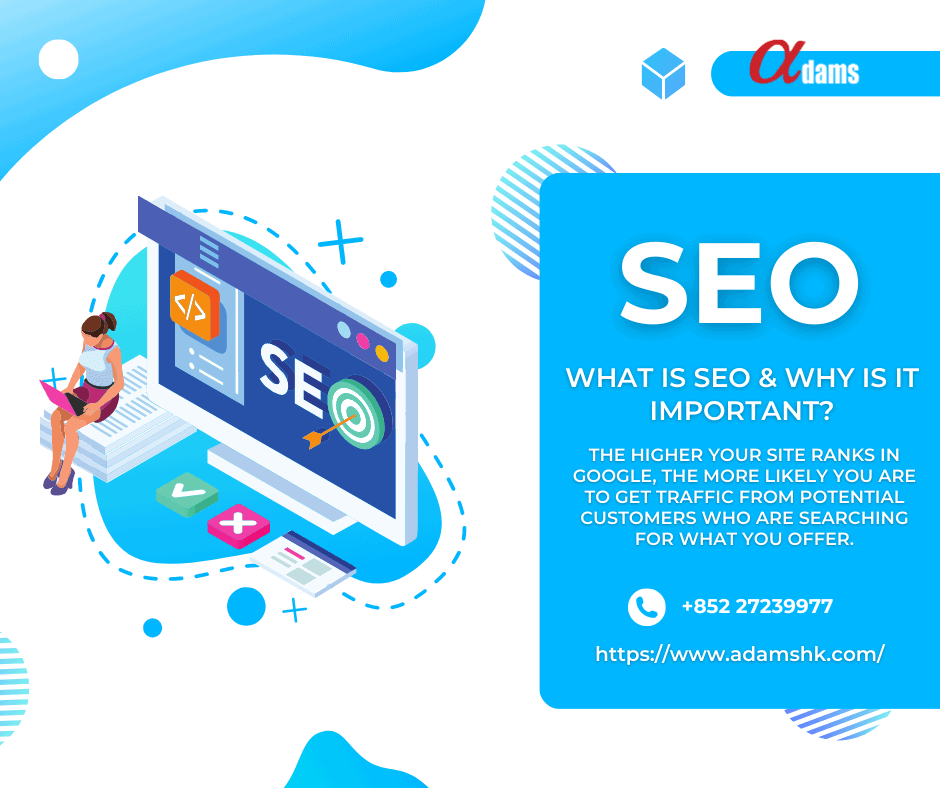
If you’re running a business website or blog, it’s important to make sure that you’re doing everything possible to optimize your site for Google search. SEO, or search engine optimization, is the process of improving your site’s ranking in SERPs (search engine results pages) through the use of various techniques. The higher your site ranks in Google, the more likely you are to get traffic from potential customers who are searching for what you offer. In this Definitive Guide, we’ll discuss what SEO is, why it’s important, and some of the most important aspects of SEO that you should focus on. We’ll also answer some common questions about SEO and dispel some myths about this complex but essential process. So read on to learn everything you need to know about SEO!
What is SEO? SEO stands for “search engine optimization.” It’s the process of improving your site’s ranking in SERPs (search engine results pages) through the use of various techniques. It is a long-term marketing strategy employed to improve a website’s visibility and organic search results in google and other global search engines.
Why is SEO important? SEO is important because it can help your website rank higher in Google search results, which means you’re more likely to get traffic from potential customers who are looking for what you offer.
How can SEO help my website rank higher? SEO can help your website rank higher in Google search results by improving the overall quality and relevance of your site’s content. Additionally, SEO can help you target specific keywords that people are searching for, which will increase your chances of getting traffic from potential customers.
What are some of the most important aspects of SEO to focus on? The most important aspects of SEO to focus on vary depending on your site and industry, but generally include things like keyword research, content optimization, backlinking, and technical SEO.
Why should I invest in SEO services? SEO is a complex and ongoing process, and it can be difficult to do correctly on your own. SEO services can help you optimize your site for Google search and ensure that you’re doing everything possible to get the most out of your SEO efforts.
How long will it take for me to see results from an SEO campaign? It typically takes around three to six months to see significant results from an SEO campaign. However, the length of time it takes to see results will vary depending on many factors, including your site’s competition and the size and scope of your SEO campaign.
Are there any risks associated with investing in SEO services? There are no guarantees when it comes to SEO, and investing in SEO services can involve some risk. However, SEO is a long-term process and with the right approach and team, you’re likely to see positive results over time.
What are some common mistakes people make with their SEO efforts? Some of the most common mistakes people make with their SEO efforts include failing to do proper keyword research, not optimizing their content, and not building enough backlinks.
SEO is a complex and ongoing process, but it’s an essential part of any business website or blog. By investing in SEO services, you can ensure that your site is doing everything possible to rank higher in Google search results and get traffic from potential customers.